
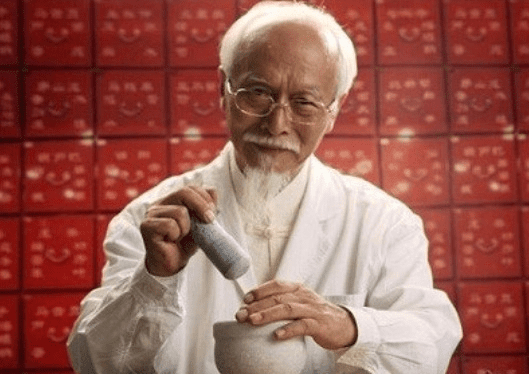
Views:3,581
Luo Shiwen, Former Director of the Market Department, State Drug Administration
Traditional Chinese Medicine Will Die Out Because of Chinese Medicinal Herbs! Who Can Rescue Chinese Materia Medica?
In 2006, journalists interviewed Luo Shiwen, former Director of the Market Department of the State Drug Administration. He once issued a warning:
“Over the past three to four years, we have adopted a misguided approach to the ‘modernization of Traditional Chinese Medicine’ in an attempt to align with international norms, which has greatly hastened the decline of Chinese medicinal herbs. If this trend persists for another five years, Chinese materia medica will be beyond salvation.”
In 2011, journalists paid a visit to Mr. Luo and brought up this topic again. He stated bluntly, “Medicine and herbal remedies are inseparable. Traditional Chinese medicinal herbs no longer exist as they once were, and with them, traditional Chinese medical practice is doomed.”
“Not long ago, I came down with colitis and suffered from persistent diarrhea, flaring up more than a dozen times a day at its worst,” Mr. Luo explained.
A retired veteran who began his career as an apprentice and has worked in the field of Chinese medicinal herbs for 53 years, he always writes prescriptions and prepares herbal medicine for minor ailments himself. Colitis is a sluggish, recurrent and stubborn condition hard to cure completely. To treat it fundamentally, Mr. Luo looked up an ancient prescription from medical classics, which called for a rather distinctive ingredient: Terra Flava Usta (Fu Long Gan).
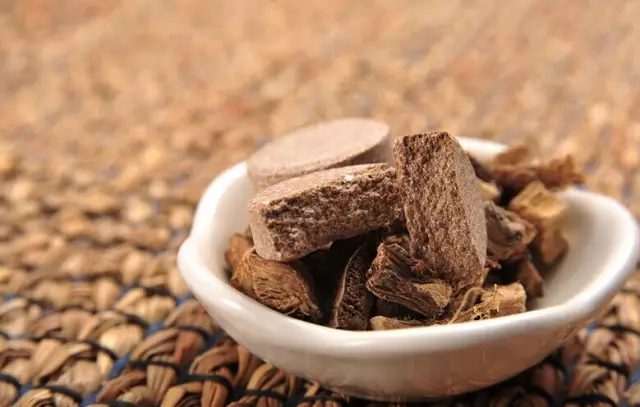
Fu Long Gan, also known as stove heart soil, is effective for abdominal pain, diarrhea and hematochezia. Mr. Luo asked friends for help and finally found an old traditional cooking stove in a rural area of Hunan Province. He gave explicit instructions: “Dig out the section right at the center of the stove base that has been burnt the reddest; take as much as you can get.”
This substance has become extremely precious nowadays. Mr. Luo stored a large sack of it for future use. To guarantee the potency of this herbal formula, he processed the ingredients strictly following ancient methods. Unsurprisingly, the illness was cured after only a few doses.
Many people regard Traditional Chinese Medicine practitioners as slow healers, and even Mr. Luo’s daughter once thought the same. Once her child had a high fever accompanied by severe coughing. Burdened with heavy work, she took the child straight to a hospital for intravenous drips hoping for a quick recovery, yet the symptoms lingered for a whole week with no improvement. Later, a doctor from Beijing Hospital of Traditional Chinese Medicine, grandson of a renowned veteran TCM physician, prescribed a formula containing only five herbs. After three doses, the child fully recovered and was back to his usual lively self.
The doctor surnamed Zhou came from a distinguished medical family; his wife was a third-generation descendant of Shi Jinmo, a celebrated master physician in Beijing. What made Dr. Zhou’s prescriptions so effective? According to Mr. Luo, the key lay in the fact that he personally processed every single medicinal herb with meticulous care. By contrast, most modern hospitals either skip herb processing entirely or carry it out in an improper manner.
Another senior doctor told reporters: “It is understandable that ordinary people criticize Traditional Chinese Medicine. Chinese medicinal herbs simply do not work as they used to. Prices have soared sharply, while counterfeit and shoddy herbal products have reached an unprecedented level. How could the public not voice their dissatisfaction? Never in history has the quality of Chinese medicinal materials deteriorated to such a degree. In the past, curative effects would kick in after three to five doses of herbal medicine, yet now patients take eight or ten doses with barely any visible improvement.”
“The saddest truth is that even the medicines meant to cure sickness are themselves diseased,” Mr. Luo remarked. “I have worked in the field of Chinese materia medica for over 50 years, and I dare not even take the commercially available herbal medicines today. This is no alarmist talk — they are very likely to cause adverse health issues. Whenever I need to take herbal medicine, I have to go to medicinal material markets myself to handpick raw herbs and process them on my own.”
Will Traditional Chinese Medicine Perish Because of Its Herbal Medicines?
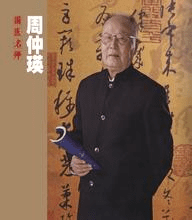
Professor Zhou Zhongying from Nanjing University of Chinese Medicine asserted: Traditional Chinese Medicine will perish because of its medicinal herbs.
As the quintessence of China’s 5,000-year civilization, what exactly has gone wrong with traditional Chinese medicinal materials?
Stacked sacks of loquat leaves, tightly packed, rose up like a small hill, and a 12-ton truck stood ready for shipment. This spectacular scene was witnessed by a journalist at the purchasing station of Lin Wenxi, the country’s top bulk buyer of loquat leaves, based in Shufeng Township, Xianyou County, Fujian Province.
Since 2005, Lin Wenxi has purchased loquat leaves from local mountain villagers at a price ranging from 700 to 1,000 yuan per ton, and has since established supply partnerships with Guangzhou Pharmaceutical Holdings, pharmaceutical factories in Shandong, and Tongrentang.
Loquat leaves that used to fall to the ground and rot away could now be picked up casually for cash, which instantly roused the villagers’ enthusiasm, even drawing people with disabilities to join in collecting the leaves. One elderly man in his seventies could earn roughly 4,000 yuan a year merely from selling loquat leaves.
When asked about the standard collection and processing methods for loquat leaves, Luo Shiwen gave the journalist a detailed explanation:
The loquat leaves used for medicinal purposes in the current year must be mature leaves plucked from trees the previous year, with the trees being at least three to five years old.
One must scrub off all fine hairs on the underside of each leaf with a bristle brush, then spread the leaves on bamboo mats to air-dry until they are 80% to 90% dehydrated. Afterwards, arrange the leaves one by one in bundles of one kilogram each and tie them tightly with rope, then stand the bundles upright to finish thorough drying.
When preparing the herbal medicine, cut the bundled leaves into shreds 0.5 centimeters wide with a medicinal cutting knife. Add refined honey and a proper amount of boiled water into a pot, toss in the loquat shreds and mix well, then simmer over gentle heat until every shred is evenly coated with honey without sticking to hands. Take the shreds out and leave them to cool down for later use.
By contrast, how do local farmers collect fallen leaves nowadays?
“I have seen it with my own eyes: they simply jab fallen leaves on the ground with long metal or bamboo sticks, with no distinction between old and new foliage. Many leaves have already rotted in mud; once soaked by rain, they become completely useless.
After gathering the leaves, farmers skip washing and hair removal entirely, only sun-dry and bind them up. During herbal processing, they do not even untie the bundles, let alone perform honey stir-frying. The tied leaf bundles are poured straight into extraction tanks.”
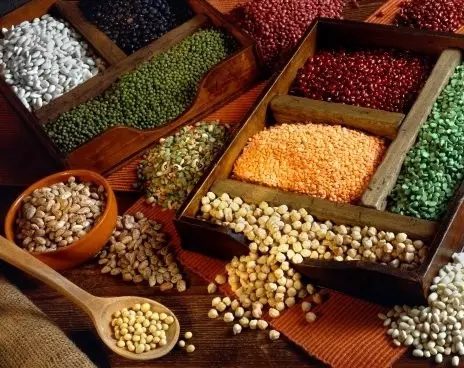
Chinese medicinal materials have long emphasized planting in their native producing areas, a concept known as genuine medicinal herbs (Daodi Yao Cai).
Mr. Luo explained that this principle has been summed up through five thousand years of practical experience. Extensive verification has proven that once the growing environment is altered, the medicinal efficacy will usually decline sharply.
According to Mr. Luo:
Not long ago, problems were detected with Houttuynia cordata (Heartleaf Houttuynia). What exactly went wrong? The issue originates from the raw medicinal material itself.
Traditionally, wild Houttuynia cordata grows along mountain streams and brooks deep in the wilderness, free from pollution. Decocted into herbal soup, it works rapidly to bring down fevers in children.
Nowadays, however, it is farmed on open farmland across Yunnan, Guizhou and Sichuan just like ordinary vegetables. These fields have been saturated with chemical fertilizers and pesticides for decades.
Harvesters rake up the plants, dump them into bamboo baskets and rinse off mud in ponds before carting them straight to local markets to be sold as fresh vegetables. Any unsold produce left at day’s end is sun-dried and resold as medicinal herbs.
Pneumonia accompanied by fever is most common among young children, whose physical conditions can deteriorate extremely quickly. In the old days, a single dose of this herb could reverse the illness; delayed treatment may even prove fatal. How can patients avoid harm when treated with such ineffective batches of Houttuynia cordata?
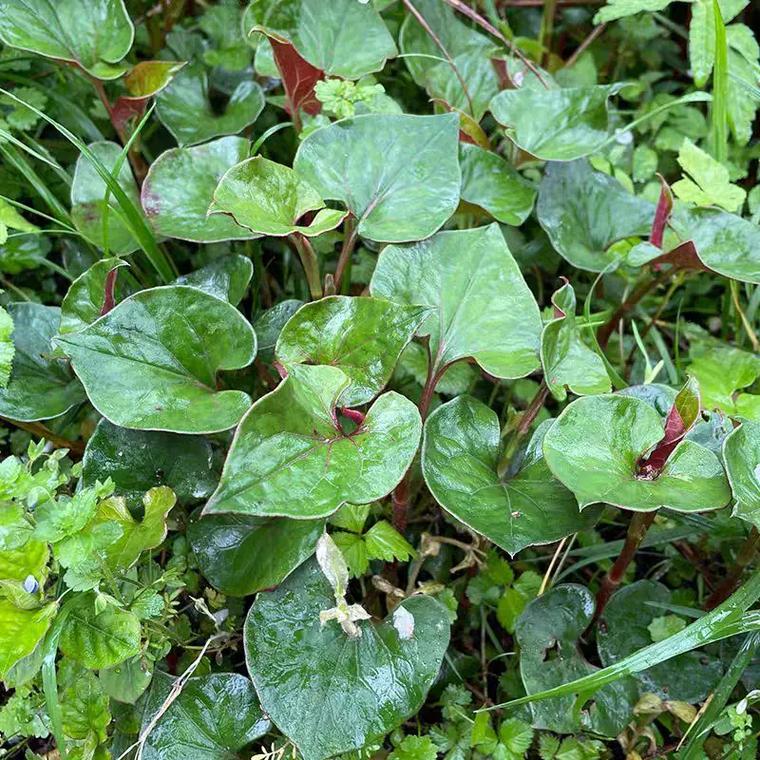
The market is flooded with massive supplies of non-authentic medicinal herbs, while premium genuine herbs from their native origins are being plundered in an unsustainable, exhaustive manner. Nowadays, pharmacies across Zhejiang Province can barely source the original authentic Eight Zhejiang Medicinal Herbs.
Wild Paris polyphylla — the core raw material for Yunnan Baiyao, also known as Seven-leaf One-blossom — is now on the verge of extinction.
Most genuine medicinal herbs grow in old revolutionary base areas, border regions and impoverished zones. Any method that doubles output will prove tempting to local residents, no matter what means are adopted.
After applying root-strengthening agents to dwarf lilyturf, its per-mu yield can surge from 300 kilograms to over 1,000 kilograms. The application of hormonal pesticides can double the output of codonopsis root. Needless to say, their medicinal potency is severely compromised.
“A cucumber tastes different at its two ends; likewise, different parts of Chinese angelica have distinct therapeutic effects,” a veteran physician told reporters.
The head of angelica stops bleeding, the main body tonifies blood, and the tail dispels blood stasis and activates circulation — they must never be prescribed indiscriminately.
In the old days, practitioners strictly differentiated these parts and measured dosages precisely to the qian (a traditional unit of weight).
Now when filling prescriptions, pharmacy staff told me the angelica roots grow excessively large. Even if you take an entire piece and eat it all, there will be no acute poisoning, yet it barely works medicinally, much like eating a radish.”
The excessive pesticide residues in herbal materials are even more alarming, and this has become the biggest obstacle restricting China’s exports of traditional Chinese medicinal materials.
Test data reveals pesticide contamination is pervasive in domestic herbal samples, with detectable residues present in nearly all tested batches.
Two to three decades ago, aerial spraying of highly toxic pesticides such as Hexachlorocyclohexane (666) was carried out by government-organized aircraft to eradicate pine caterpillars in Changbai Mountain forests. Traces of this chemical are still intermittently found in ginseng harvested from the Changbai Mountains to this day.
Min County angelica, also called Min Angelica, is widely recognized as a classic genuine medicinal herb. Not long ago, a scandal regarding pesticide-tainted Min County angelica made headlines nationwide.
Astragalus, angelica, codonopsis and other herbs are prone to a bitter-numb disease that farmers cannot effectively treat; out of desperation, they resort to spraying multiple highly toxic and persistent pesticides all at once.
This has driven many buyers to place orders via Hong Kong instead of purchasing mainland angelica directly.
While the public is still debating the safety of genetically modified food, genetically modified traditional Chinese medicinal herbs have already entered daily use.
As early as 1999, transgenic technology was applied in Chengdu to boost disease and pest resistance as well as the yield of wolfberry and other medicinal crops.
The state has invested hundreds of millions of RMB into transgenic research on astragalus in a province south of the Yellow River.
Astragalus produced north of the Yellow River boasts superior medicinal efficacy, so conducting such research south of the river serves little practical purpose.
Mr. Luo disclosed that traditional Chinese medicine consists of complex mixtures of chemical compounds. No authority is overseeing whether genetic modification will alter the herbs’ nature, flavor, channel tropism and therapeutic properties; research funding has become the primary priority instead.
The medicinal herbs currently included in transgenic research projects are listed as follows:
Honeysuckle, honeysuckle vine, forsythia, isatis root, heartleaf houttuynia, ginseng, pseudostellaria root, jujube fruit, wolfberry fruit, walnut kernel, salvia root, mung bean, astragalus root, lily bulb, sweet wormwood, fleeceflower root, longan aril, eucommia bark, licorice root, pinellia tuber, balloon flower root, ginkgo leaf, ephedra herb, ledebouriella root, reed rhizome, wolfberry bark, bamboo leaf, chrysanthemum flower, pogostemon herb, morinda root, bitter orange peel, prunella vulgaris.
Insiders are familiar with this old saying:
Artemisia capillaris picked in March is medicinal herb; in April it becomes common mugwort; by May it is only fit for firewood.
Over a thousand years ago, Sun Simiao, the Divine Physician of Chinese Medicine, explicitly pointed out that Chinese medicinal herbs harvested out of season are nothing but hollow imitations, no better than rotten timber.
Luo Shiwen explained: After the liberalization of the traditional Chinese medicine market, medicinal materials were reclassified as agricultural byproducts, and farmers no longer receive professional guidance on herbal cultivation. Nowadays planting is entirely driven by price fluctuations — farmers grow whichever crop fetches a higher market price, and adopt any growing method that delivers the biggest, fastest harvest.
To rush products onto the market ahead of schedule, farmers harvest hollow, underdeveloped Gastrodia elata. Platycodon grandiflorus normally requires two to three years of growth to meet pharmaceutical standards, yet artificially cultivated batches are dug up after just one year.
For bark medicines such as Eucommia ulmoides, the traditional quality standard required bark to reach a thickness of 0.3 centimeters from trees aged 10 to 15 years. When snapped apart, the tough elastic filaments inside could hardly be pulled apart; only such bark possessed proper medicinal potency.
Today, trees are harvested regardless of age or standardized processing and stir-frying protocols. Even saplings planted the same year are stripped for their thin branch bark, which contains no elastic filaments at all, resulting in drastically weakened therapeutic effects.
Scutellaria baicalensis should grow to five inches in length before harvesting, yet it is dug out when barely one inch long.
Licorice and rhubarb must mature for at least three years to qualify as medicinal grade, yet farmers will harvest them prematurely as soon as market prices spike.
Schisandra chinensis from Liaoning boasts extremely high medicinal value and is supposed to be collected in October. However, it is often picked three months early in this reckless premature harvest rush. These unripe green berries are then sprayed with chemical agents and artificially ripened to a red hue, while naturally mature wild schisandra berries have become nearly impossible to find.
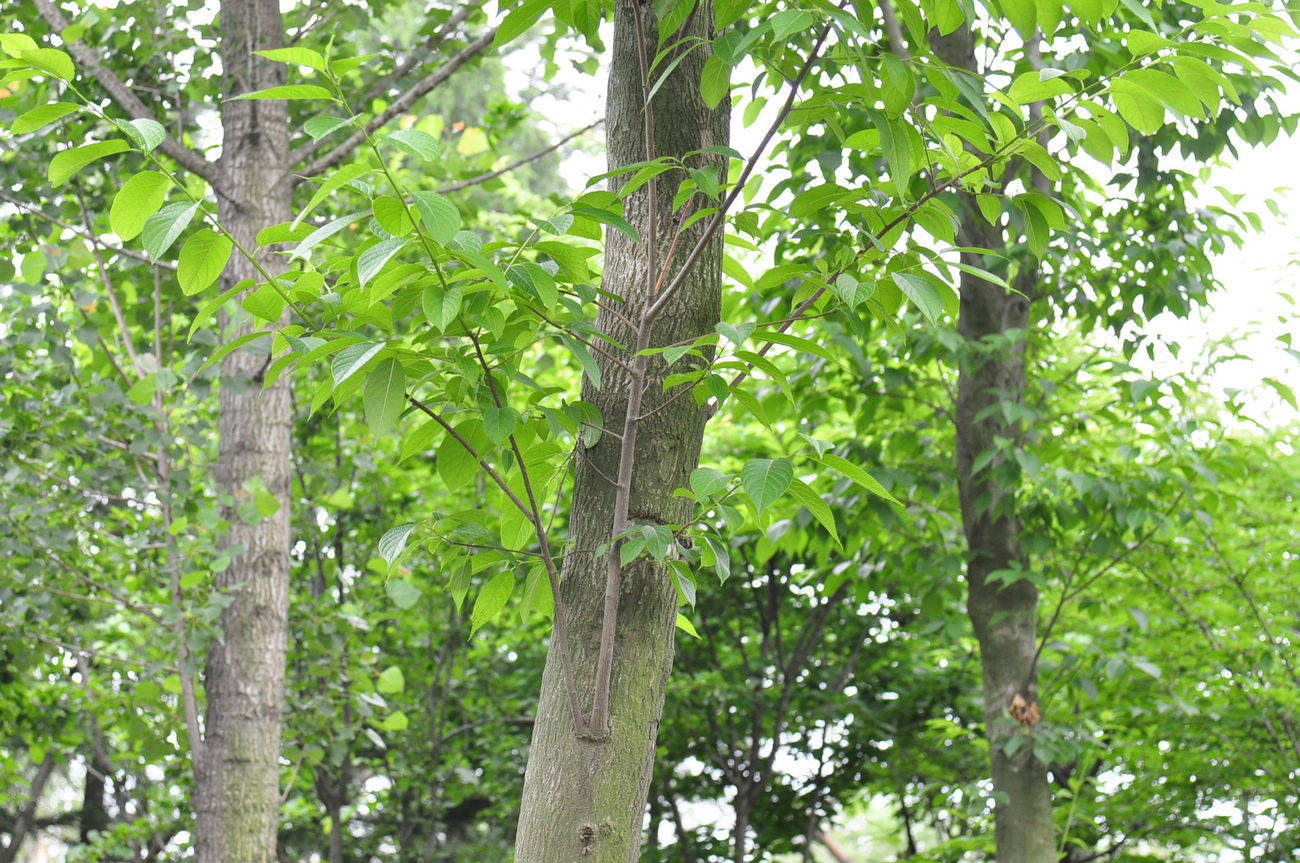
Melamine Scandal Strikes Traditional Chinese Medicinal Herbs Too!
After medicinal herbs are harvested, the most fundamental procedure is to wash off sediment and impurities. Even so, herbs circulating on the current market such as capillary wormwood, dandelion and dodder seed contain sediment accounting for over 20% of their total weight.
Moutan bark is processed without scraping the outer bark or removing the woody core; white peony root retains aged root stubs; isatis root is left untrimmed at the crown; peach kernel and apricot kernel skip peeling; spiny jujube seed is mixed with excessive shell fragments; dwarf lilyturf and lotus seed are not stripped of their inner cores…
The slicing method of prepared herbal slices directly affects medicinal efficacy. Thinly sliced isatis root contains significantly more reducing sugar in its extract than obliquely sliced or thick-cut versions.
Nowadays, to avoid accidental cuts during work, herbal processors arbitrarily turn thin slices into thick ones, and thick slices into chunks. Gastrodia elata sliced paper-thin only exists in the memories of veteran herbal craftsmen.
If processors cut every corner during standard trimming and preparation, where do they divert all their effort? To superficial cosmetic treatment, commonly known as sulfur fumigation. This practice brightens the appearance of herbal slices, extends shelf life, and revives moldy herbs to look brand new.
Sulfur fumigation was originally a traditional processing technique, yet the rampant repeated fumigation today leads to excessive sulfur dioxide residues. Worse still, some vendors sprinkle raw sulfur powder directly onto the herbs. Health-conscious consumers suffer greatly from this malpractice, and Korean importers of Chinese medicinal materials face severe troubles as well. To source angelica dahurica with sulfur dioxide levels within safe limits, Korean businesses have to import fresh raw angelica directly from China and carry out all processing domestically every year.
China has been jokingly dubbed a “nation of chemical additives”, and herbal dealers spare no effort in applying such treatments. Beyond sulfur smoking, newer cosmetic treatments have emerged: gastrodia tubers are bleached by hydrogen peroxide soaking; salvia root is dyed with iron oxide solution; mold stains are scrubbed away with laundry detergent.
Many people know that fleeceflower root is used to treat premature graying hair, yet countless individuals suffer from severe diarrhea after taking unprocessed raw fleeceflower.
Raw polygonum multiflorum contains anthraquinone derivatives with a strong laxative effect. Only after proper processing can these compounds be hydrolyzed to eliminate purgative toxicity, allowing the herb to safely perform its function of darkening hair.
Hu Qing Yu Tang, established by the prominent Qing dynasty merchant Hu Xueyan, houses a set of Gold Spade and Silver Pot, designated as a Class One National Cultural Relic of China. The final ancestral step for concocting the classic patent medicine Zixue San involves simmering and stirring the formulation inside a silver mortar with a pure gold spatula.
Many initially dismissed this as mere marketing gimmickry, yet chemical analysis later confirmed the medical rationale: silver releases silver nitrate and mild silver protein that deliver antibacterial and anti-inflammatory effects on human mucous membranes; gold leaf works to calm palpitations and soothe anxiety.
The core purposes of TCM herbal processing are threefold: reduce toxic properties, boost therapeutic potency, and alter channel tropism.
Luo Shiwen explained to journalists: Raw pinellia tuber is toxic and almost exclusively used after specialized preparation, categorized into processed pinellia with brine & quicklime, ginger-processed pinellia, and urine-processed pinellia.
- Pinellia cured with bittern and quicklime (Fa Ban Xia): strengthens stomach function;
- Urine-processed pinellia: treats traumatic injuries and hematemesis originating from the stomach;
- Ginger-processed pinellia: alleviates morning sickness during pregnancy;
- Unprocessed raw pinellia: acts solely as an emetic to induce vomiting.
Yet according to Luo Shiwen’s observations, although pharmaceutical factories and hospitals nowadays have official herbal processing standards on file, these documents are merely locked away in cabinets. Most herbs skip processing entirely, or undergo substandard incomplete preparation. This malpractice can even be found in well-known large chain pharmacies.
Traditionally, fleeceflower root is processed by boiling with black soybeans, yet herbal merchants substitute this with stove ash or even ink to fake its color. For Atractylodes macrocephala, workers simply dump the raw herb into a pot without any constant stirring. The result is uneven quality: the top layer stays white, the middle turns yellow, and the bottom burns into charred black.
Improper processing will at best weaken medicinal efficacy, and at worst prove fatal. A pharmacist with 40 years of clinical practice discovered that vinegar brewed from industrial acetic acid or synthetic edible acetic acid carries certain toxicity, killing roughly 30% of lab mice in tests, while naturally fermented rice vinegar produces no such adverse effects.
Aristolochia once triggered a major nephropathy scandal and was widely condemned internationally. The root cause was that overseas consumers directly brewed Aristolochia as slimming herbal tea, unaware that the Chinese Pharmacopoeia mandates honey stir-frying to detoxify this herb before clinical use.
One physician told reporters that his department has admitted multiple patients poisoned by Chinese medicinal herbs processed incorrectly.
More worrying still: herbal processing constitutes the core foundation of Traditional Chinese Medicine, yet the craft faces a critical shortage of inheritors. Many herbal slicing factories even hire junior high and senior high school students with only superficial understanding of TCM processing to carry out production work.
“Across the whole country, only two senior disciples who excel at herbal identification and refined processing remain: 83-year-old Wang Xiaotao and 85-year-old Jin Shiyuan. The total number of specialists proficient in TCM herbal processing amounts to merely over 40. Put bluntly, every passing expert means an irreplaceable loss to this craft,” Luo Shiwen stated.
One time-honored brand famous nationwide refused to retain any veteran herbal craftsmen upon their retirement, as the new management disapproved of their strict adherence to age-old traditional protocols. Some of these seasoned artisans left to work as technical supervisors in foreign joint venture pharmacies in Shenzhen, putting China’s exclusive herbal processing techniques at risk of information leakage.
Elderly Wang Xiaotao is now too frail to leave his home. He once intended to compile a definitive monograph on herbal processing techniques to pass down his lifelong expertise to the nation. The publishing house demanded a fee of 200,000 RMB for publication. He applied for financial funding from relevant authorities, yet received zero approval. Enraged and disappointed, Wang abandoned the writing project entirely.
Paying Premium Prices for Discarded Herbal Residues
“I feel extremely frustrated when buying American ginseng,” Luo Shiwen said. “Sometimes, the herbs turn completely tasteless after just one infusion.” A physician angrily told reporters that such American ginseng has already had its active ingredients fully extracted. The same is true for many caterpillar fungi. Unscrupulous herbal merchants soak these exhausted residues in beer to trick consumers into believing they are genuine, high-quality products.
Untreated, unextracted caterpillar fungi feature plump, bright yellow bodies and a distinct mushroom-like aroma. In contrast, at least 70 percent of caterpillar fungi on the current market are residue goods with active components removed — dry, stiff, and entirely devoid of their natural fragrance.
Even formal medicinal material markets are flooded with counterfeit genuine herbs made from extracted residues, creating a huge headache for pharmaceutical manufacturers. Refusing to purchase these substandard materials means halting production, yet purchasing them inevitably compromises drug quality. After weighing the pros and cons, economic interests always end up taking precedence over medicinal safety and efficacy.
A wide range of medicinal herbs have been found to be sold as exhausted residues after ingredient extraction, including ginseng, American ginseng, codonopsis root, caterpillar fungus, coptis root, phellodendron bark, moutan bark, fleeceflower vine, honeysuckle, forsythia, star anise, cornus fruit, balloon flower root, epimedium, Sichuan fritillary bulb, schisandra fruit, motherwort, alisma rhizome, atractylodes macrocephala, spatholobus stem, bupleurum root, pangolin scales, and human placenta.
In the past, TCM counterfeiting mainly involved passing inferior-grade herbs off as premium ones. Today, however, counterfeiting methods have become diverse and deceptive.
Having visited 17 major TCM medicinal markets across the country, Luo Shiwen summarized prevalent counterfeiting tactics: adulterating cornus fruit with grape peel, mixing mulberry parasite into scutellaria root, fabricating pangolin scales from plastic, slicing tree branches wrapped in animal fur to fake deer antler, injecting glass glue into seahorses, and coating caterpillar fungi with lead powder.
Counterfeiting of proprietary Chinese medicines is even more covert. For example, ursolic acid content is the core quality standard for cornus fruit. Some pharmaceutical factories adulterate cornus with hawthorn fruit to artificially meet the acid content standard, yet the actual therapeutic effect is completely unguaranteed.
People seeking medical treatment often lament that it is hard to find qualified, genuine Chinese medicinal herbs, and even harder to find a competent TCM physician.
Treating illness with TCM herbs is akin to deploying troops in warfare. Only skilled physicians who conduct syndrome differentiation and administer targeted prescriptions can achieve precise therapeutic results.
“There are virtually no more master-level TCM physicians qualified for overseas medical missions,” Luo Shiwen pointed out. The country now only retains the title of senior elite practitioners, totaling 145 TCM experts. Authorities plan to train a new cohort of middle-aged TCM practitioners with professional expertise, expanding the total number of skilled TCM talents to 500.
Traditionally, TCM practitioners learn through master-apprentice inheritance. Most self-taught and apprentice-trained practitioners hold no formal academic qualifications, which disqualifies them from taking the licensed physician examination and practicing medicine legally.
Only a narrow exception exists: practitioners in their seventies and eighties may mentor those in their fifties and sixties, who in turn mentor practitioners in their forties. This rigid model only allows for hierarchical seniority, yet fails to pass down core professional skills and heritage.
During my years working at the State Administration of Traditional Chinese Medicine, I once asked senior veteran physicians how many disciples they had trained. They replied that their disciples were assigned by authorities, not personally handpicked.
“If I could choose my own disciples, I would teach them wholeheartedly as if they were my own children. Now I am in my seventies or eighties, and my assigned disciples are already in their fifties or sixties, with fixed, established medical viewpoints. There is almost nothing they can learn from me. This is a slow death for traditional Chinese medicine!”
Two years ago, I wrote an investigative report on this crisis. A senior leader approved the report and endorsed the proposal to liberalize TCM master-apprentice inheritance policies. Unfortunately, the policy was never effectively implemented at the grassroots level and ended up in vain.
Lv Jiage, son of the renowned TCM master Lv Bingkui, told reporters that the changes in practitioner numbers speak volumes about the industry’s decline.
From 1950 to 2004, the number of Western medicine practitioners surged more than 70 times, reaching 1.57 million. In stark contrast, the number of TCM practitioners remained stagnant at 270,000 in 2004, exactly the same as the figure recorded between 1950 and 1950 — zero growth. Worse still, the professional competency of today’s 270,000 TCM practitioners cannot compare with that of their predecessors half a century ago.
Ever since the abolition of the Imperial Medical Academy in the late Qing Dynasty, traditional Chinese medicine has been gradually marginalized. After decades of so-called modernization reforms, this ancient medical system is now increasingly precarious and teetering on the brink of decline…..




 Mobile QQ/WeChat Scan

