



1. Choose noni based on its origin:
Origin & Variety Determine Noni Quality at the Source
This follows the exact quality logic of Kweichow Moutai and Château Lafite mentioned previously. Distinct native varietal traits and growing environments across different regions lead to fundamental disparities in the quality of raw fruits:
Differences in Tree Form Bring Unique Nutritional Endowments
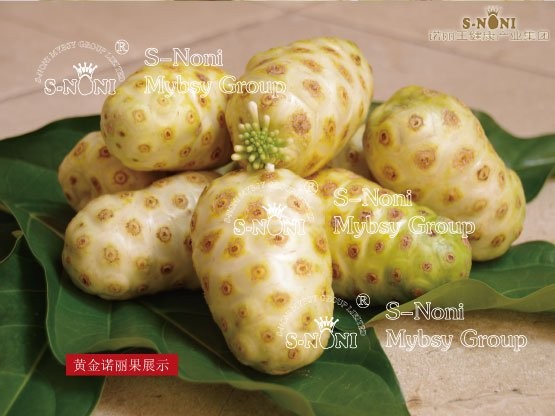
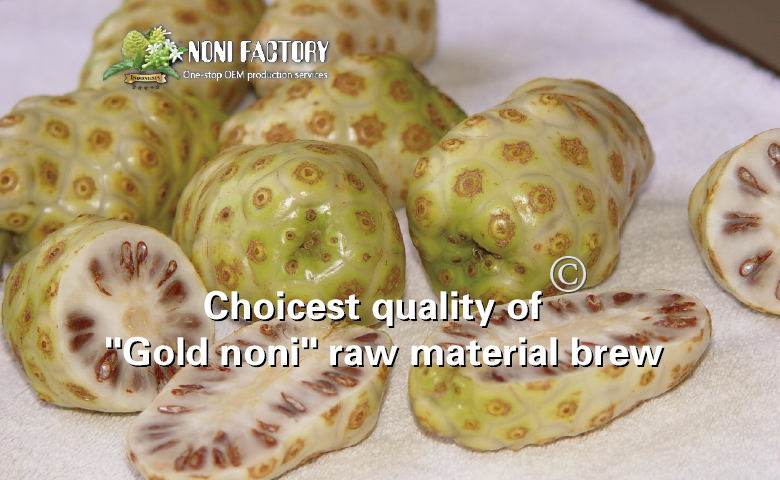
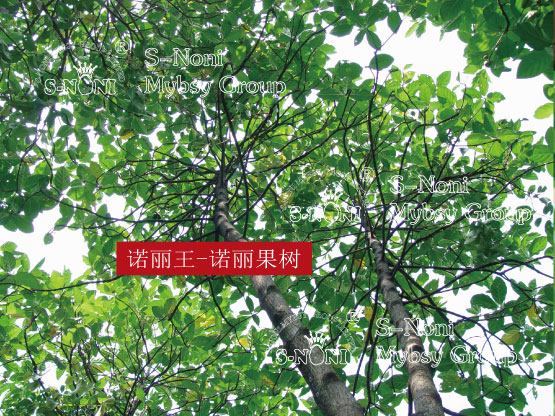
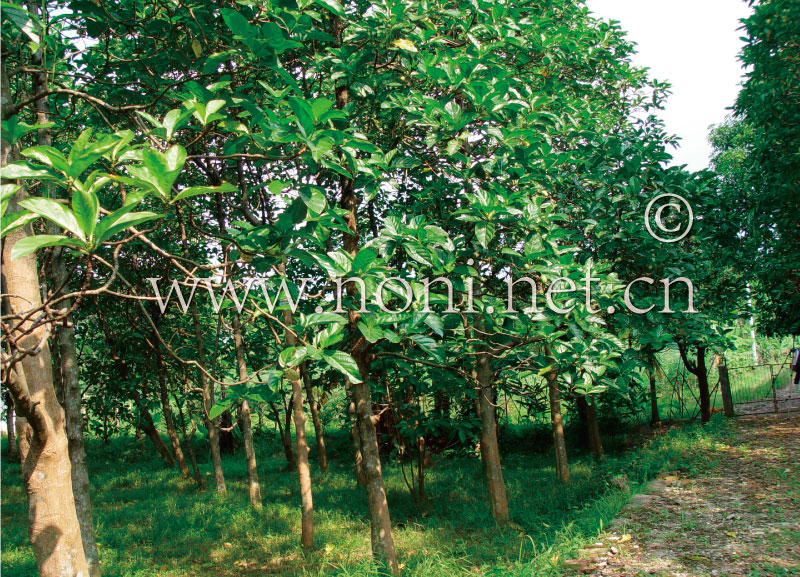
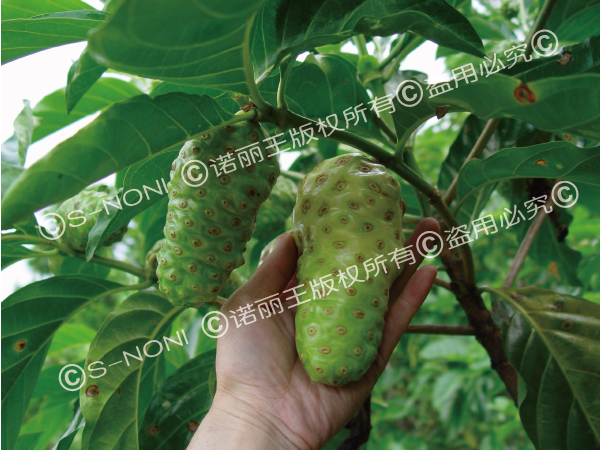
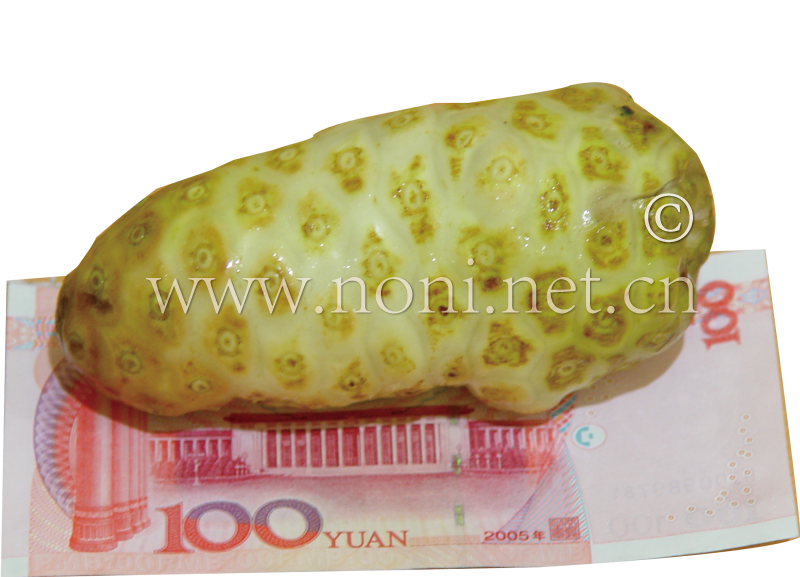
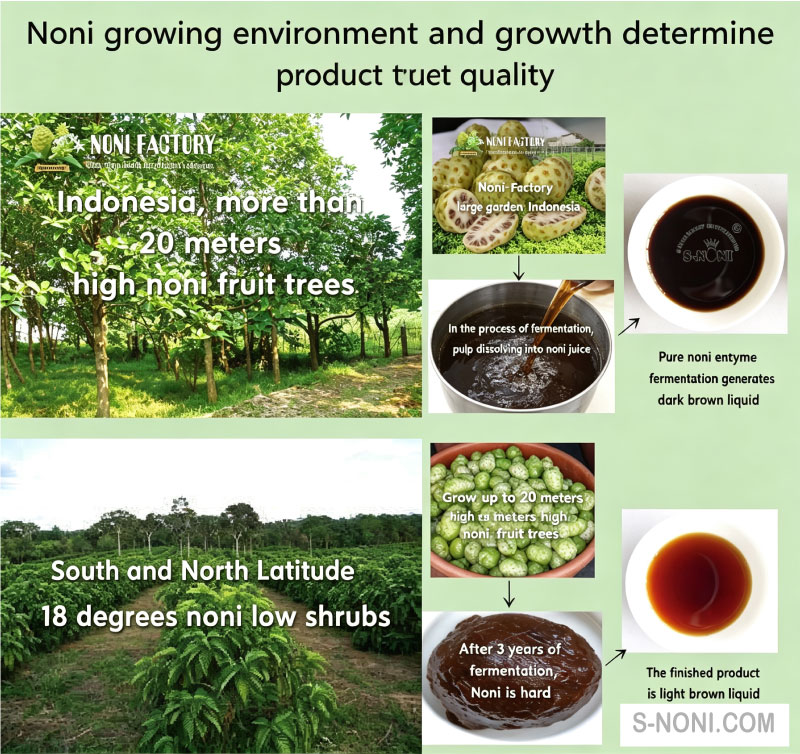
Indonesian native noni grows as tall arbor trees, whose root systems penetrate over 20 meters deep underground to absorb unpolluted natural nutrients and trace elements from deep soil. The resulting noni fruits are plump and large, naturally laden with abundant active substances.
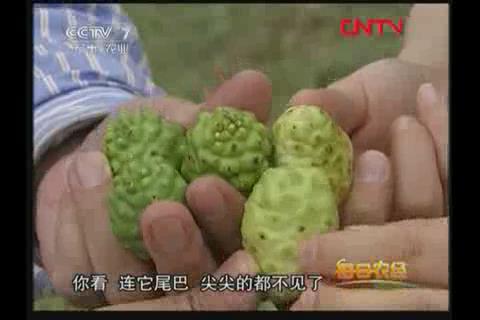
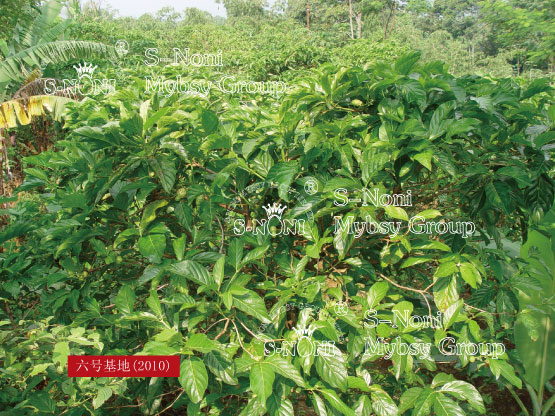
By contrast, the noni cultivated in Hainan is a variant of Morinda citrifolia that grows as shrubs. Its roots can never reach the same depth as Indonesian arbor noni, making it impossible to acquire exclusive nutrients from deep soil layers.
Fruit Characteristics Directly Shape the Taste and Quality of Finished Products
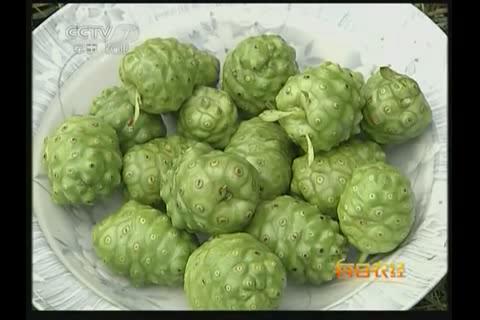
Hainan-grown variant noni fruits feature firm, tough flesh. After fermentation, the extracted puree develops pungent, irritating odors, with noticeable gaps in flavor profile and nutritional content compared to puree made from authentic Indonesian native noni.
Premium Raw Materials Must Be Paired With Superior Craftsmanship to Produce Top-Tier Noni
Even premium native Indonesian noni fruit cannot guarantee high-quality finished products. Just as illustrated earlier, numerous manufacturers within Indonesia—the native homeland of noni—fail to produce qualified premium noni items due to insufficient technical capabilities.
Truly high-grade noni products require two core prerequisites:
First, premium noni raw materials sourced from organic native orchards in Indonesia. No chemical fertilizers or pesticides are applied throughout cultivation; trees coexist naturally with weeds to fully replicate the wild, natural growing environment of native noni.
Second, sophisticated, mature production techniques are essential to preserve complete nutrients and deliver consistent, stable quality noni puree.
Noni King adheres strictly to this standard by sourcing premium native raw materials, enabling full-chain quality control across the entire production process.
Origin & Variety Determine Noni Quality at the Source
This follows the exact quality logic of Kweichow Moutai and Château Lafite mentioned previously. Distinct native varietal traits and growing environments across different regions lead to fundamental disparities in the quality of raw fruits:
Differences in Tree Form Bring Unique Nutritional Endowments
Indonesian native noni grows as tall arbor trees, whose root systems penetrate over 20 meters deep underground to absorb unpolluted natural nutrients and trace elements from deep soil. The resulting noni fruits are plump and large, naturally laden with abundant active substances.
By contrast, the noni cultivated in Hainan is a variant of Morinda citrifolia that grows as shrubs. Its roots can never reach the same depth as Indonesian arbor noni, making it impossible to acquire exclusive nutrients from deep soil layers.
Fruit Characteristics Directly Shape the Taste and Quality of Finished Products
Hainan-grown variant noni fruits feature firm, tough flesh. After fermentation, the extracted puree develops pungent, irritating odors, with noticeable gaps in flavor profile and nutritional content compared to puree made from authentic Indonesian native noni.
Premium Raw Materials Must Be Paired With Superior Craftsmanship to Produce Top-Tier Noni
Even premium native Indonesian noni fruit cannot guarantee high-quality finished products. Just as illustrated earlier, numerous manufacturers within Indonesia—the native homeland of noni—fail to produce qualified premium noni items due to insufficient technical capabilities.
Truly high-grade noni products require two core prerequisites:
First, premium noni raw materials sourced from organic native orchards in Indonesia. No chemical fertilizers or pesticides are applied throughout cultivation; trees coexist naturally with weeds to fully replicate the wild, natural growing environment of native noni.
Second, sophisticated, mature production techniques are essential to preserve complete nutrients and deliver consistent, stable quality noni puree.
Noni King adheres strictly to this standard by sourcing premium native raw materials, enabling full-chain quality control across the entire production process.
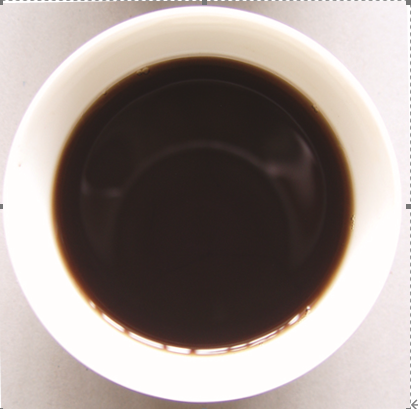
Noni fruits from different origins produce finished noni products of differing quality
–>>More>>
2. Evaluate the Safety of Noni Products
1. Check the Growing Origin
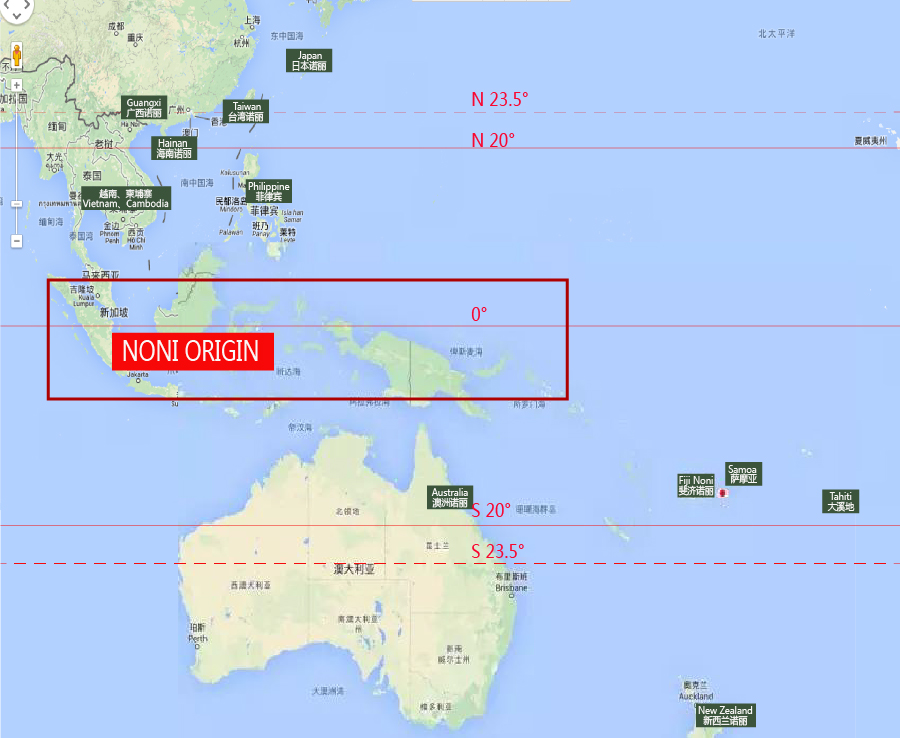
Learn about the native planting area of noni. The farther noni trees grow from the equator, the poorer the fruit quality.
The quality of any noni product starts with its raw noni fruits. If the raw fruits are inferior, even the finest manufacturing techniques cannot produce high-quality noni goods.
2. Check for Contamination in the Origin
Watch out for polluted planting areas. Industrial contamination and excessive heavy metals in soil will fundamentally damage human health.
3. Check Planting Practices
Find out if chemical fertilizers, growth hormones are applied, and whether pesticide residues exist.
4. Check Production Technology
If noni products are made with high-temperature boiling and high-heat sterilization during fermentation, their natural active ingredients will be almost completely destroyed.
5. Key Points to Distinguish Product Authenticity
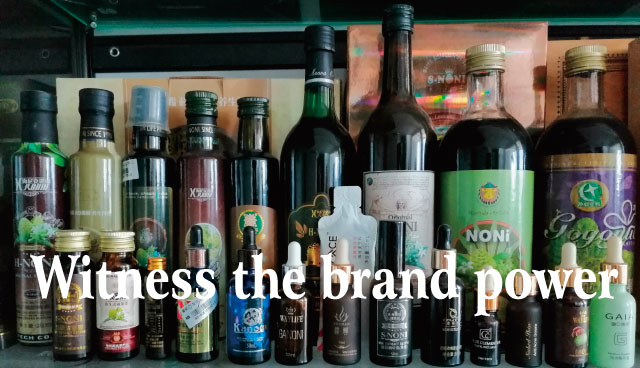
Nearly all noni products on the market claim to be pure noni concentrate. You can judge their authenticity from two core dimensions:
(1) Noni Brewing Process
Most consumers overlook this critical step. Many commercial products add sugar, yeast and other additives during brewing yet still label themselves as “pure noni concentrate”. Genuine additive-free pure noni enzyme refers to products fermented without any extra substances before filling.
(2) Filling Procedure
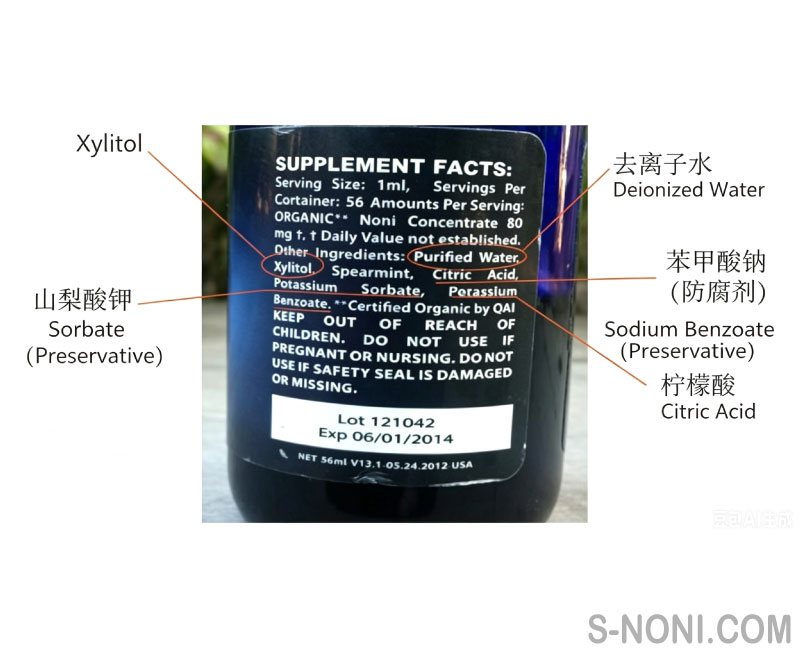
Check whether acids, citric acid or other additives are mixed in at the final filling stage.
You may identify impurities through multiple methods: carefully check the ingredient list on food labels. Even if no extra ingredients are listed on the label, you cannot fully confirm the product is 100% additive-free. Tasting the product is the most straightforward identification method.
6. Taste Test of Noni Products
If a noni product emits a rotten, putrid odor, it has been contaminated with E. coli during brewing. Noni naturally carries a strong unique scent, so ordinary consumers struggle to spot spoilage and often mistake rotten odors for its inherent flavor. Authentic high-quality pure noni enzyme delivers a smooth, mellow taste with no unpleasant sensations.
If you feel an irritating, stinging sensation in your throat after drinking, the product has been blended with acetic acid, citric acid or other chemical additives.
7. Sealed Storage Test After Opening
Genuine pure noni enzyme will not spoil for over one year at room temperature as long as the bottle cap is tightly sealed after opening. In contrast, inferior adulterated noni products will turn rancid and develop foul odors within roughly three months.
8. Do Not Trust Marketing Claims About Multi-Year Fermentation
The aging duration of noni products has no bearing on their actual quality. Such promotional slogans are mostly false marketing fabricated by manufacturers to mislead consumers.
Do not trust any product advertisements that highlight long fermentation years. The reasoning is straightforward: inferior raw materials cannot produce premium finished goods, no matter how long they age.
Take world-famous wines and liquor as examples: Lafite and Kweichow Moutai gain global renown solely due to their exclusive growing and brewing environments. China cannot replicate Lafite’s quality, and no other regions in China can produce genuine Moutai aside from Guizhou. This explains why wine prices range from a few yuan to tens of thousands of yuan.
Identical brewing techniques yield vastly different quality drinks when paired with different raw materials or production environments. Kweichow Moutai can only be brewed in its unique native environment; relocating its production base from Guizhou to Hainan Island would make authentic Moutai impossible to recreate.
The same logic applies to fermented noni: aging time alone does not improve quality. The origin of noni raw fruit fundamentally determines product grade. Even with premium raw materials, poor production processes will still result in low-quality noni goods. For instance, Indonesia is noni’s native homeland, yet numerous local factories fail to produce high-grade noni products.
Judge Noni Product Quality Through Key Indicators
pH Value
For authentic pure noni products, a lower pH indicates superior quality, meaning stronger natural acidity.
Some manufacturers artificially add acetic acid to force down the pH level; such products create an obvious stinging, burning sensation in the throat when consumed.
Our factry’s noni products maintain a natural pH range of 2.8 ~ 3.4, while most competing noni items register a pH above 4.
Brix (Sugar Content Scale)
A lower Brix reading stands for better quality.
All noni products from our factory have a Brix value below 4.8.
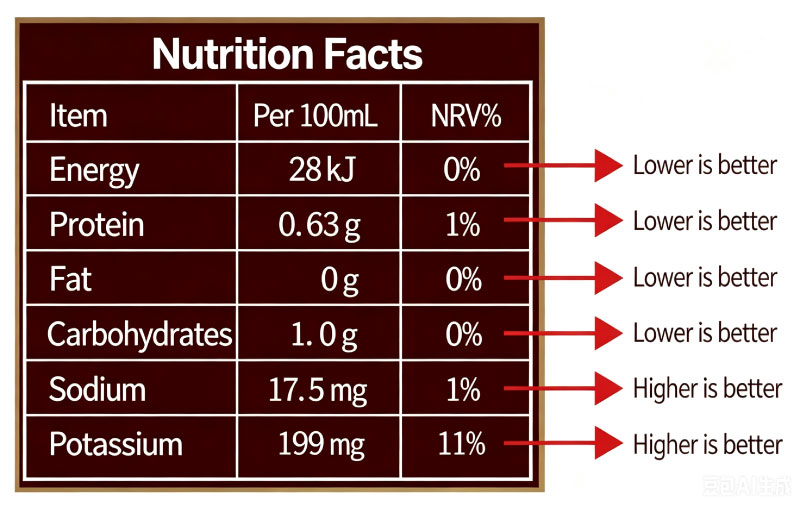
Nutritional Composition Standards (Less Content = Higher Purity & Quality)
- Energy: The lower the value, the better
- Protein: The lower the value, the better
- Fat: The lower the value, the better
- Carbohydrates: The lower the value, the better
- Sodium: The lower the value, the better
Choosing products from S-Noni Factory = Safe and worry-free