Views:5,135
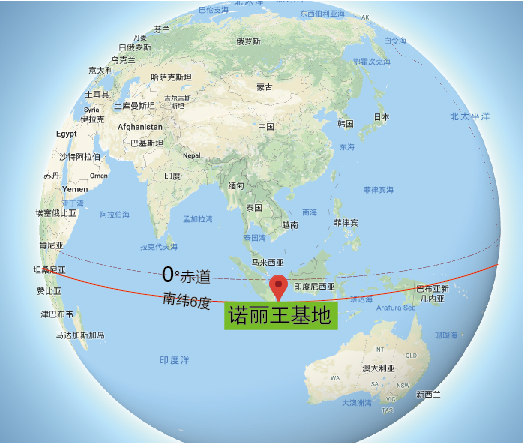
Our planting base is located in Indonesia, the native homeland of noni fruit.
Indonesia, hailed as the Jade on the Equator, lies in Southeast Asia and straddles the equator. It consists of approximately 13,700 large and small islands between the Pacific Ocean and the Indian Ocean, around 6,000 of which are inhabited. As the world’s largest archipelagic country, it is known as the Nation of a Thousand Islands.
Indonesia has a tropical maritime climate characterized by high temperatures, abundant rainfall, gentle winds and high humidity. The annual average temperature stands at 30°C with minimal temperature variation all year round, featuring no distinct shifts between cold and warm seasons.
Also referred to as a nation of volcanoes, Indonesia is home to more than 400 volcanoes, over 100 of which are active. Volcanic ash from eruptions combined with ample precipitation brought by the maritime climate has made Indonesia one of the most fertile regions on Earth. Every island boasts lush mountains and clear waters with perpetual summer, earning it the well-deserved title of the Jade on the Equator.
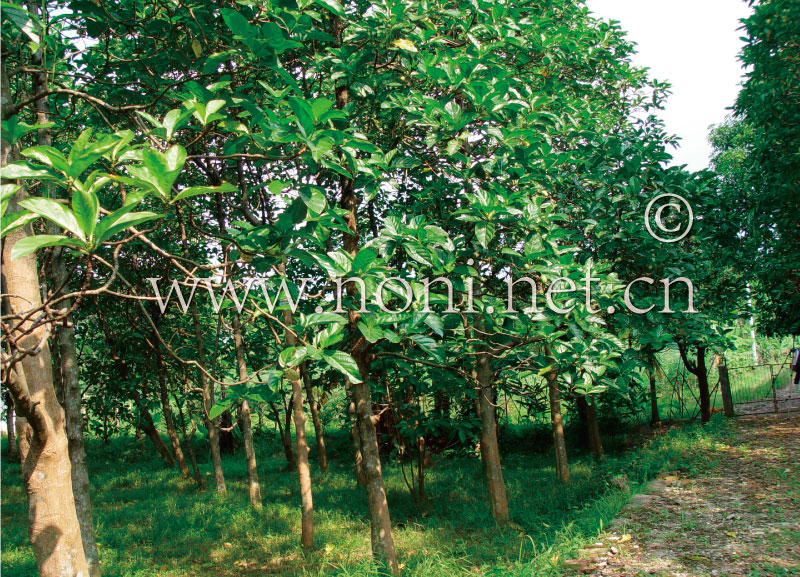
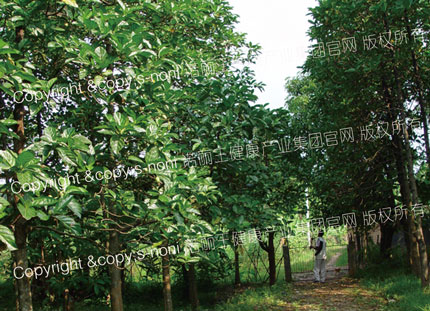
Noni is an indigenous plant native to this land known as the Jade on the Equator. Thanks to the ideal temperature, humidity and nutrient-rich volcanic soil, noni trees can take root, grow and bear fruit naturally with little manual maintenance. They thrive effortlessly, even when planted in residential communities. The noni trees on our factory’s planting base have grown to over 20 meters tall, and the fruit normally measures more than 8 centimeters in length.
Nevertheless, disparities in surroundings and soil composition lead to huge differences in noni fruit quality, as well as the flavor and taste of finished products processed from them. For instance, noni fruits grown along coastal areas tend to taste sweeter. Those cultivated in soil abundant in volcanic humus can be fermented into noni enzyme with a pH value as low as 2.8, delivering a rich, mellow sour flavor — making them the premium raw material for noni product manufacturing.
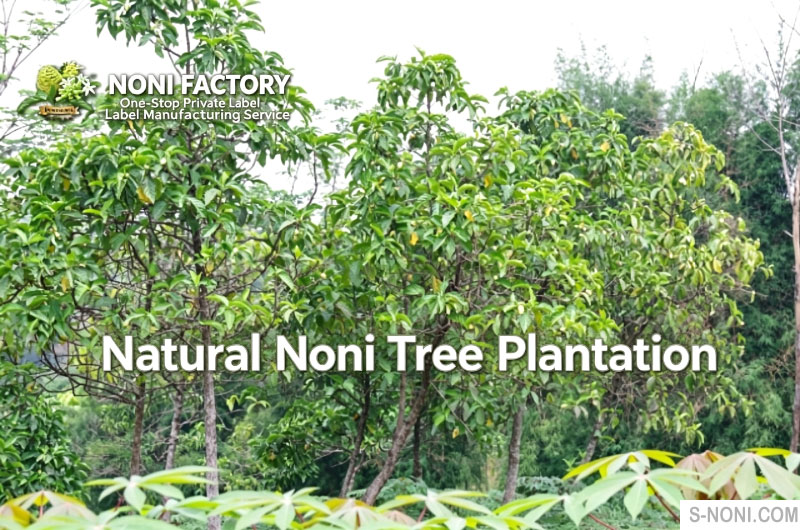
S-Noni Planting Base
S-Noni Planting Base
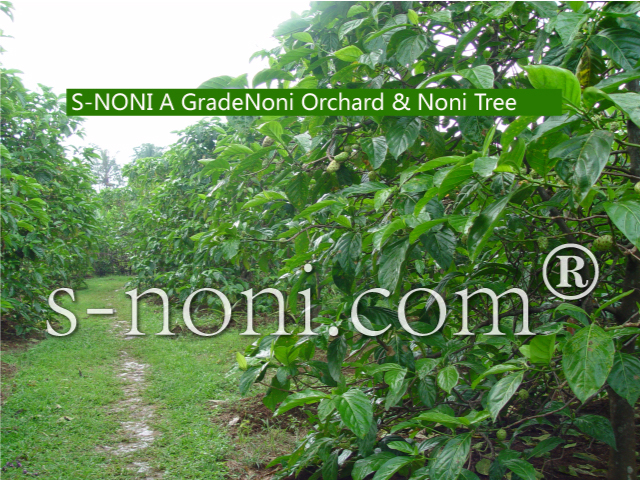
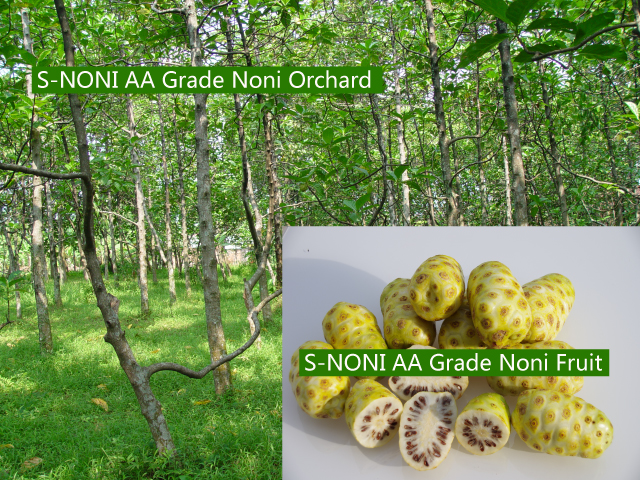
s-noni 3A Noni Orchard
Grade 3A Noni Orchard of Noni Factory | Noni Trees Reach Over 20 Meters in Height
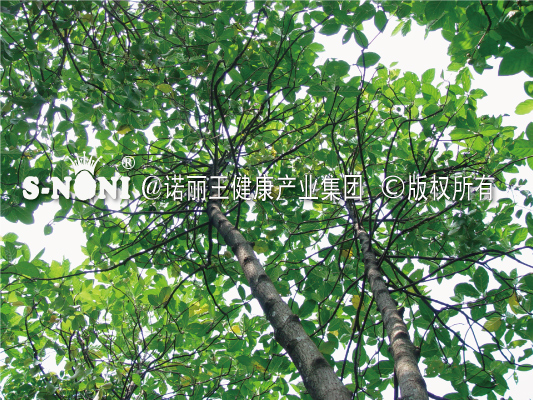
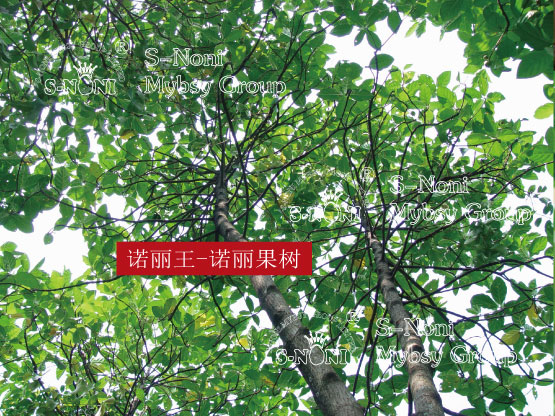
Towering Noni arbors over 20 meters high
Towering Noni arbors over 20 meters high
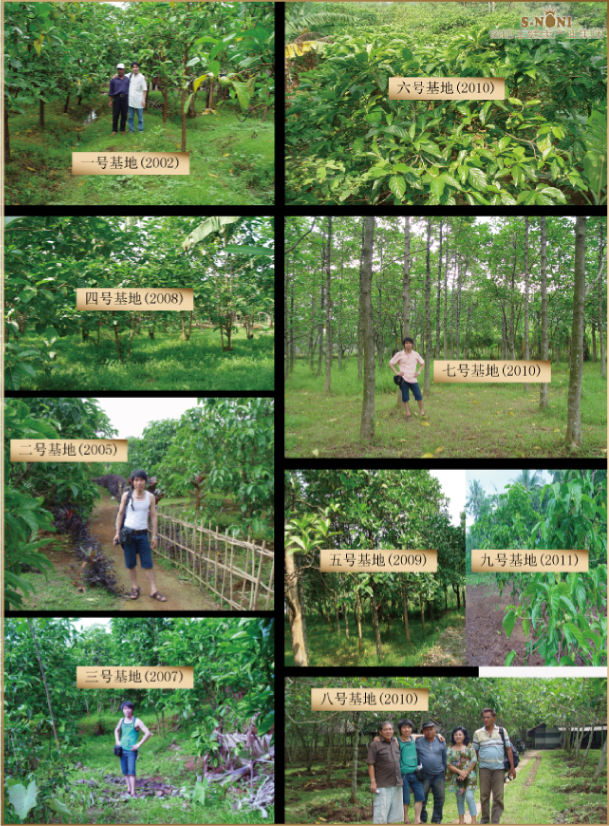
1998 Noni Planting Base No.1
NO.1 Planting base of Noni-Factory @ 1998
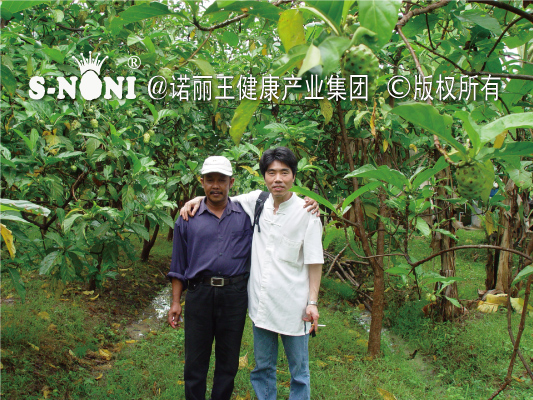
Base No.1 of Noni planted in 1998, with fruit trees growing over 20 meters tall.
Base No.1 of Noni planted in 1998, with fruit trees growing over 20 meters tall.
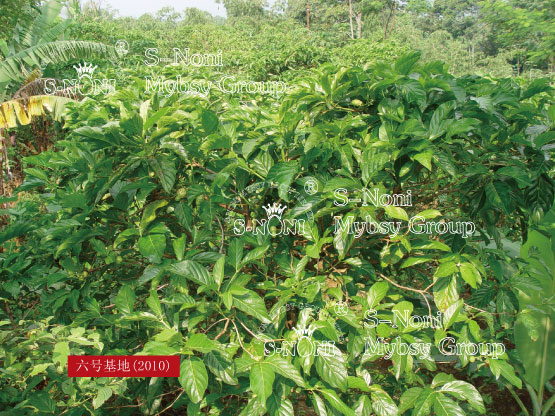
No.6 Noni Planting Base
No.6 Noni Planting Base
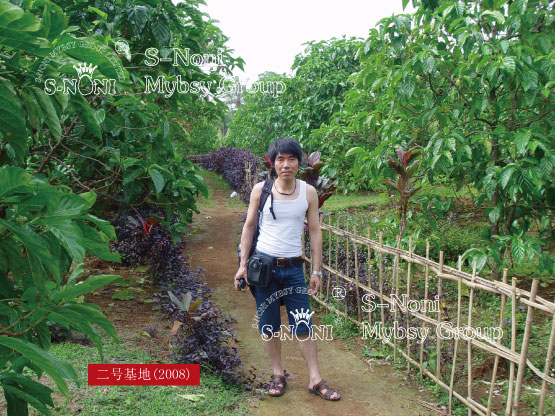
No.3 Noni Planting Base
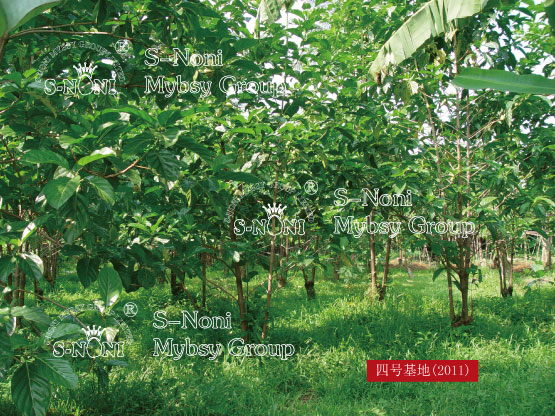
No.4 Noni Planting Base
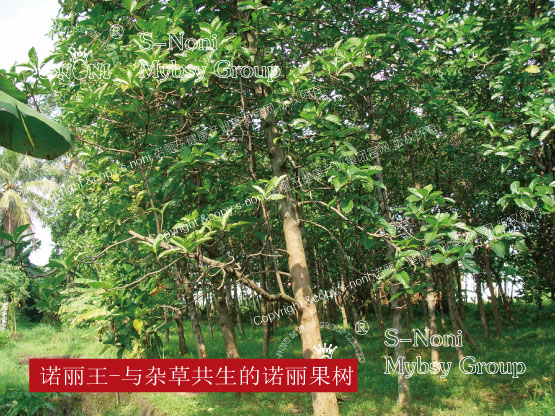
Base No.7 where noni trees grow alongside natural weeds
Base No.7 where noni trees grow alongside natural weeds
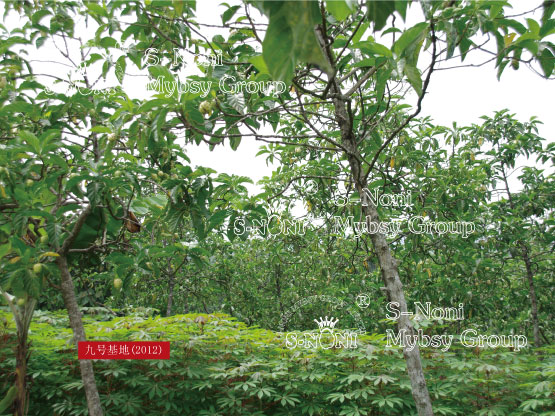
Base No.9 where noni trees grow alongside natural weeds
Base No.9 where noni trees grow alongside natural weeds
aa_merterail01
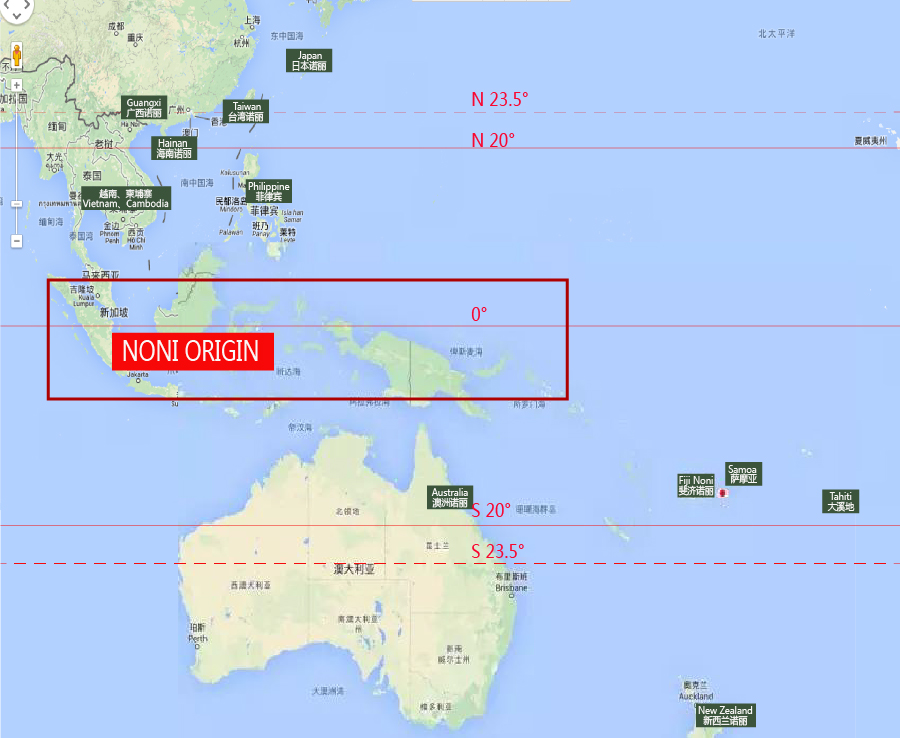
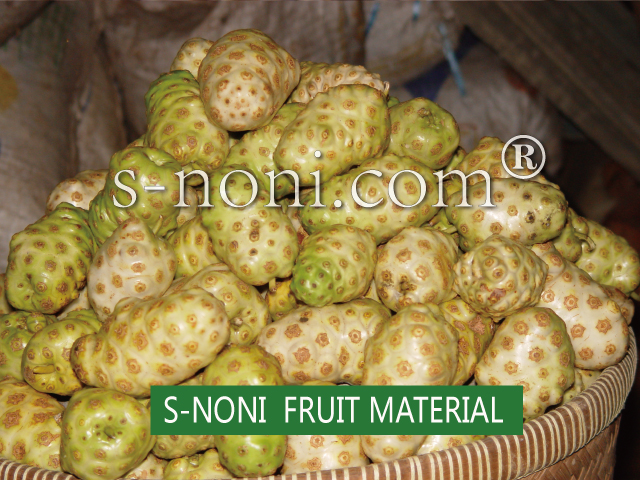
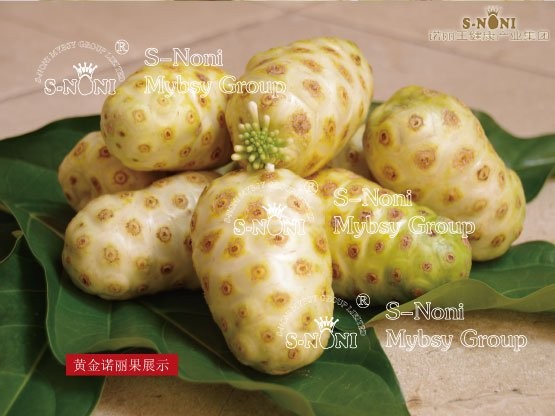
Noni fruit originates near the equator. Due to environmental and climatic factors, its quality deteriorates the farther it grows from the equator.
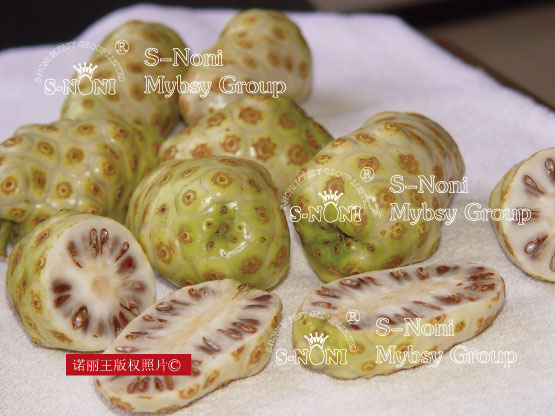
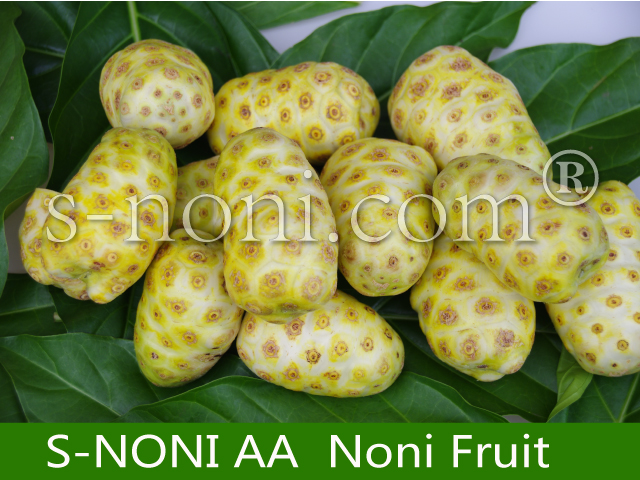
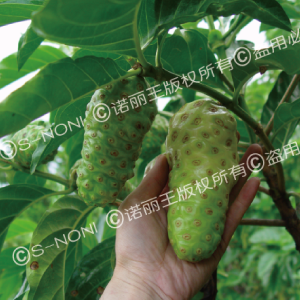
A well-grown noni fruit can reach over 10 centimeters in diameter, roughly the size of a 100-yuan RMB banknote, with its pulp accounting for approximately 30% to 35% of the whole fruit. The pulp proportion declines for noni fruits planted farther away from the equator.
The noni trees at our Noni Factory planting base grow to more than 20 meters in height, and the fruits normally measure 12 to 14 centimeters in length. Even within the same area, variations in growing conditions will result in differences in noni fruit quality.
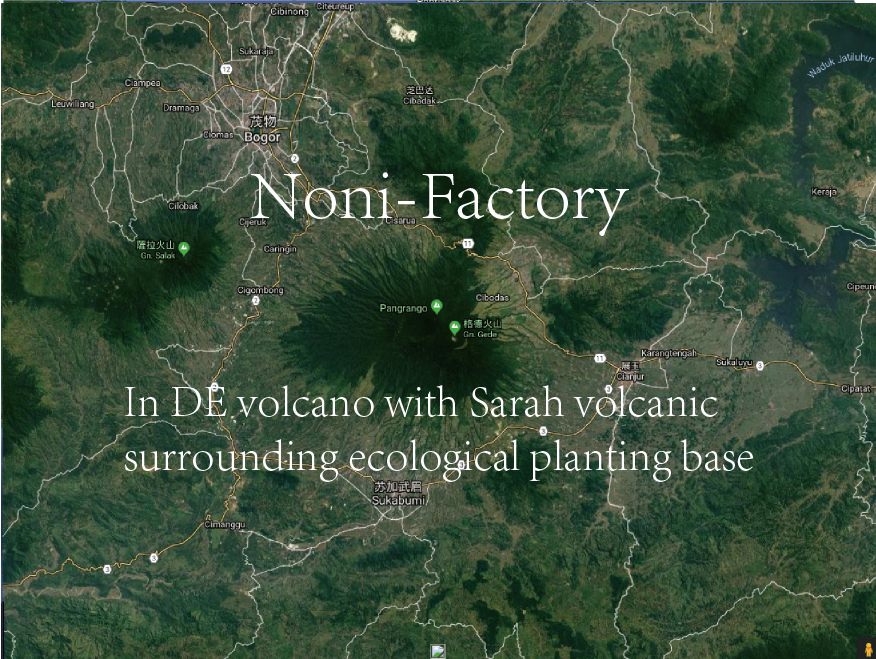
Our orchard base is situated in the volcanic zone of Mount Salak and Mount Gede. The local soil is rich in volcanic ash and humus layers, which enables us to produce premium noni enzyme with a pH value of 2.8 and a Brix value of 3.5, featuring a rich, mellow and full-bodied flavor.
Planting base of Noni-Factory
Location of NoniFactory Planting Base
Located near the equator in Indonesia
Is located in the planting base of Indonesia's volcano
Is located in the planting base of Indonesia's volcano
From noni natively Indonesia gold Noni
From noni natively Indonesia gold Noni
Gold Noni more than 14 cm in length
Gold Noni more than 14 cm in length
376_P_1588656373947
AA_snoni
Wild Cultivation Management Model of S-Noni Factory
S-Noni Factory’s noni bases in Indonesia are located in original ecological woodlands far from urban areas and industrial pollution sources. We have selected and tested orchards that fully meet the product quality standards of S-Noni Factory as our official planting bases.
The noni orchards nestled in primitive natural forests feature naturally formed organic soil. The weeds growing under the noni trees serve as a natural medium to maintain soil fertility, retain ground moisture, balance soil temperature, and supply organic nutrients.
In nature, no living organism exists in isolation. All lives are interconnected and mutually supportive. Understory weeds deliver nutrients to noni trees, while soil microorganisms keep the soil loose and breathable. A wealth of trace elements are continuously transported from the soil to the tree roots. Additionally, actinomycetes in the soil can absorb and store nitrogen from the air.
Most people only focus on the growth of tree foliage, ignoring that tree roots are the fundamental determinant of tree health and leaf growth.
Many believe that plant diseases and pests are the root cause of tree decline, and that fruit trees can recover and yield high-quality fruits simply by eliminating pests and diseases with pesticides. However, this is not the truth. Pests and diseases are merely symptoms. The long-term overuse of pesticides and chemical fertilizers weakens trees’ natural vitality and resistance, which is the essential reason for frequent pest and disease infestations.




 Mobile QQ/WeChat Scan